What I think about medications
Emergency medicine has made tremendous progress, and the drugs used in acute phases save lives.
Other medications are also indispensable for people’s survival, such as in type 1 diabetes or when a gland is missing, like the thyroid.
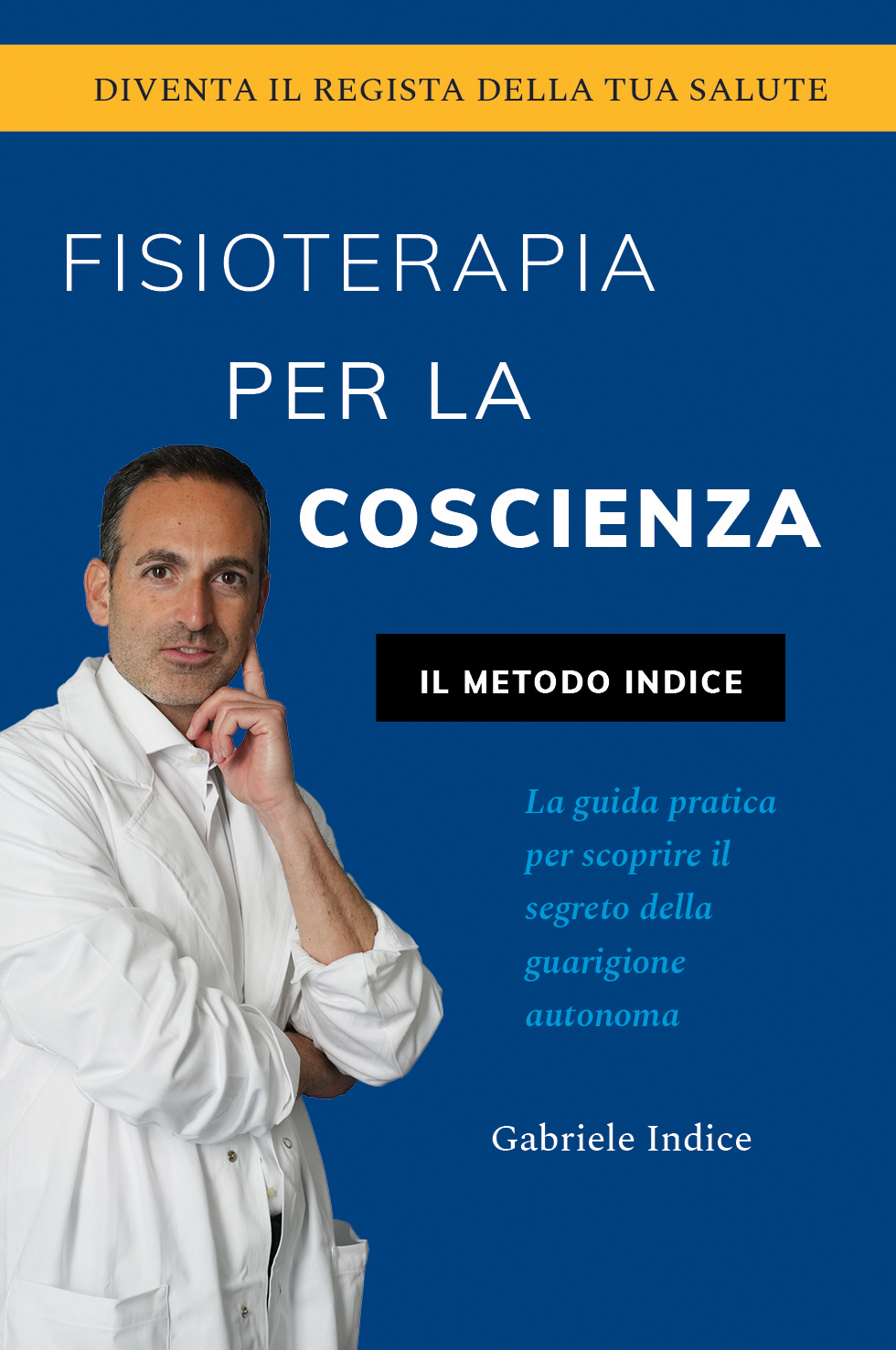
In my book, I write that the term “pharmacē” comes from Greek and means “poison,” as I heard in an interview with Dr. Pantellini.
It is therefore essential to discern and contextualize their use.
Abuse or dependency on medications taken daily should be avoided, especially when one refuses to change a lifestyle that could prevent much of their use.
Some time ago, when I was still working in a hospital, I evaluated a patient who was taking statins and developed a burning sensation in the feet, which had begun after starting the medication.
How do I generally handle these cases?
It’s simple: if the patient understands the cause-and-effect relationship and is able to change their lifestyle, the problem resolves 100% without medications or supplements. But if I sense that the patient absolutely refuses to modify their lifestyle by choice, I will intervene on the body’s detoxification systems through breathing practices, trusting that later they may tap into their own resources for greater self-awareness.
Gabriele Indice